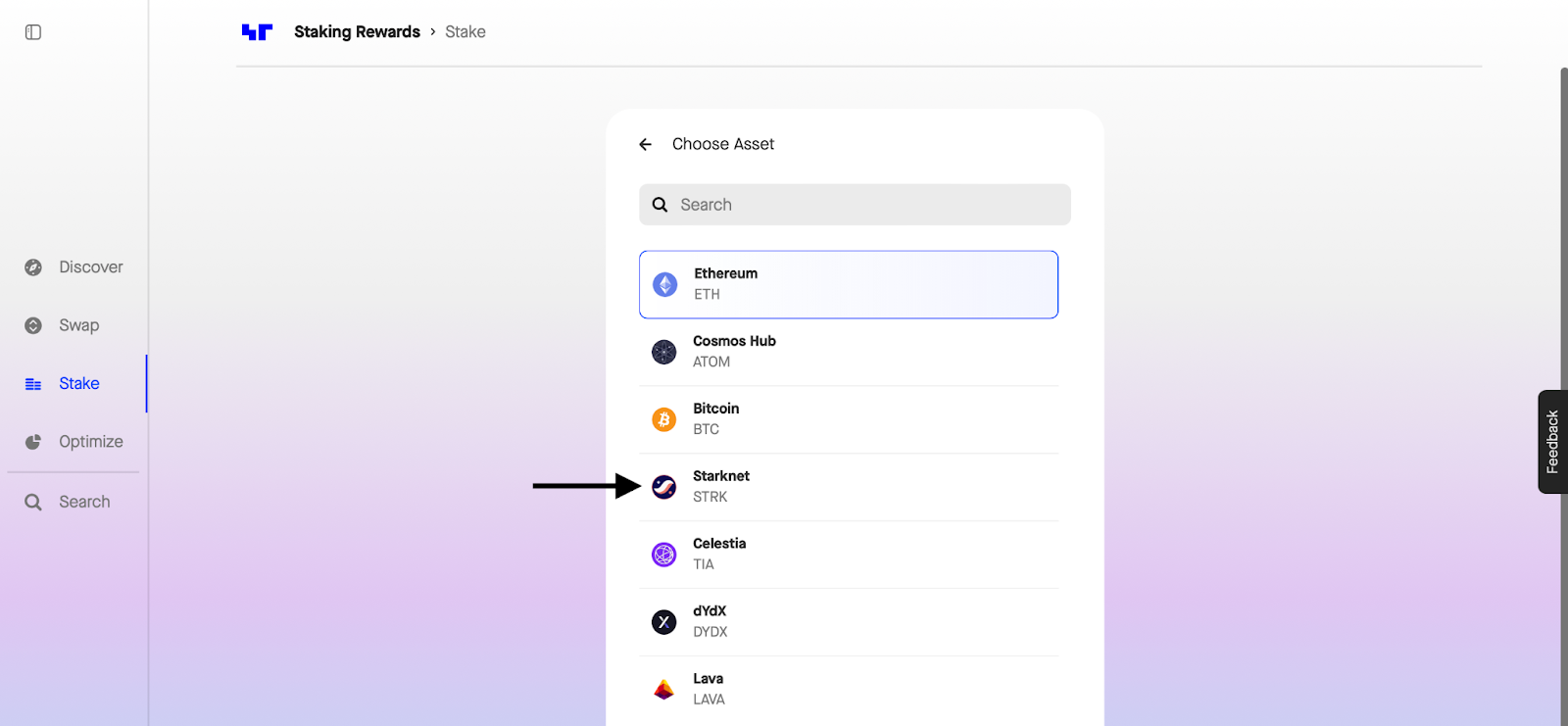
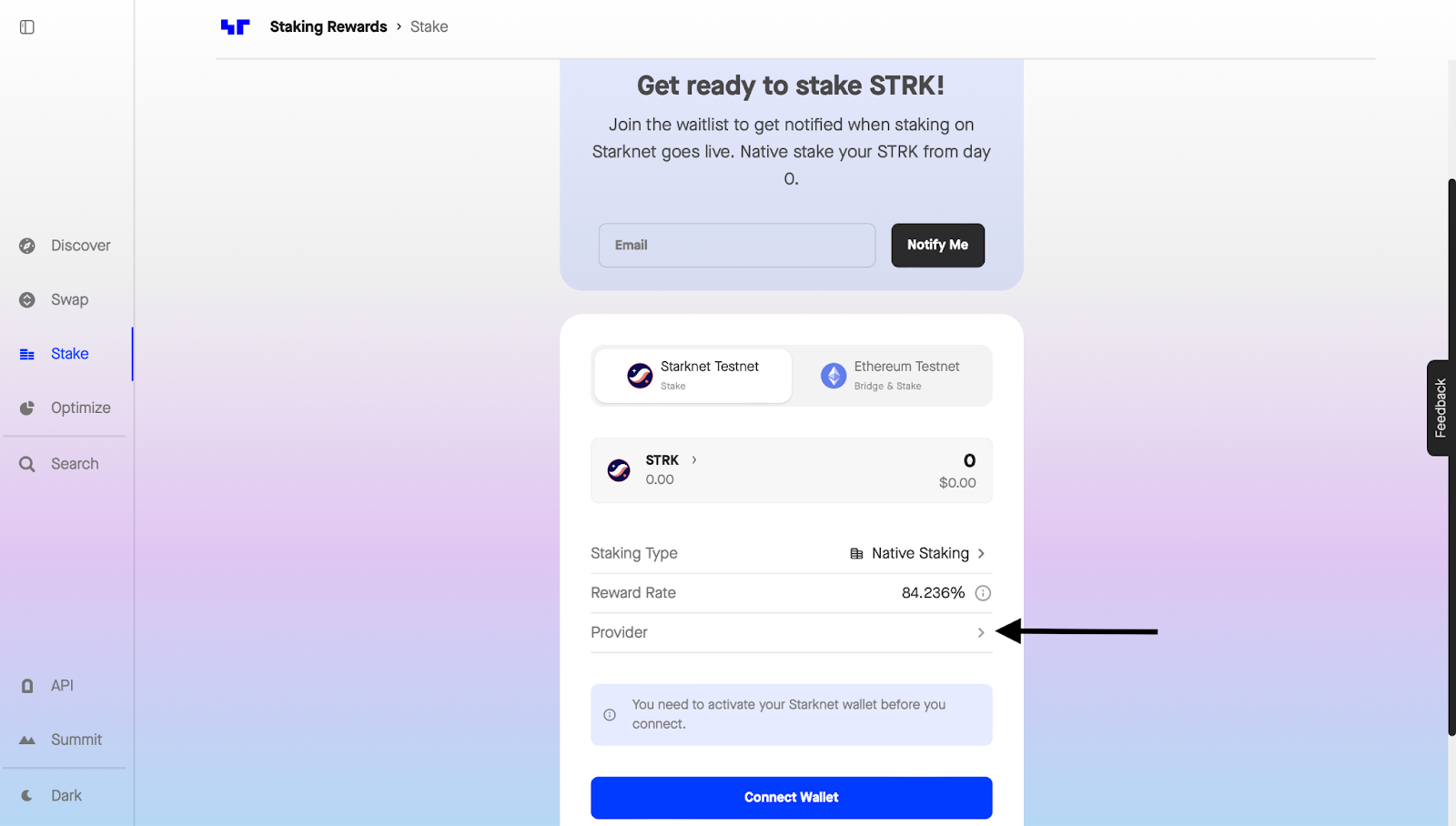
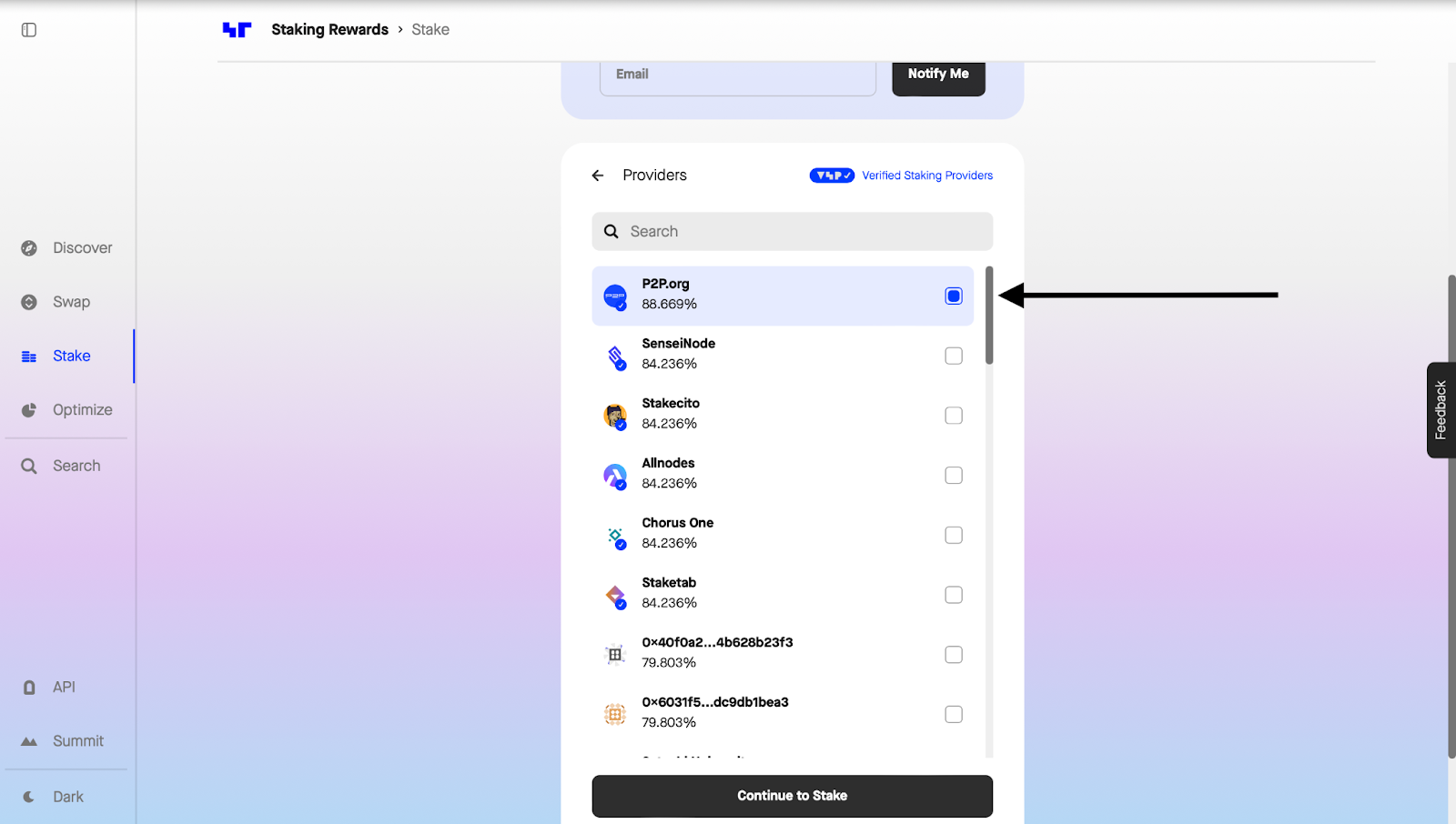
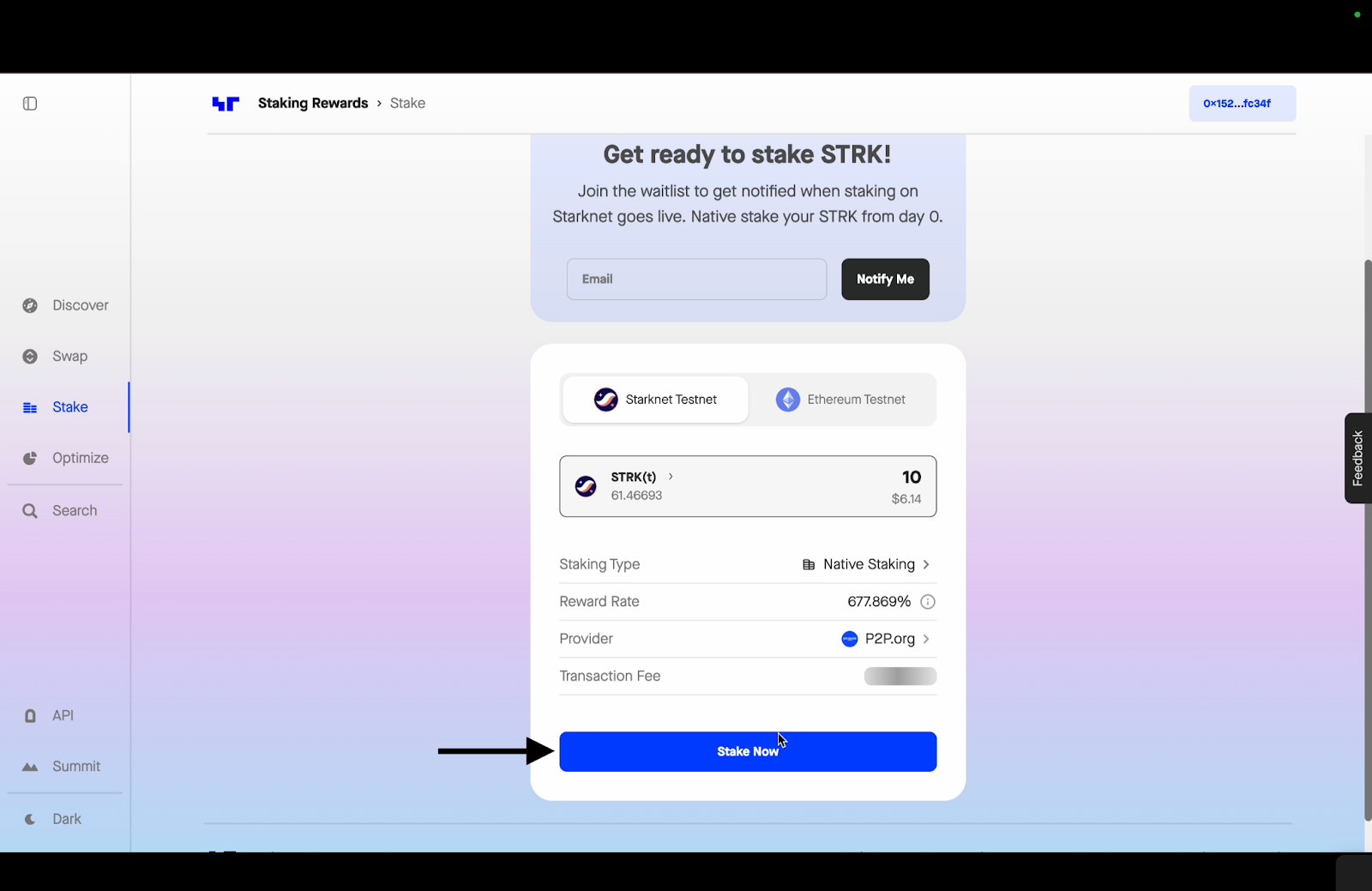
restaking, symbiotic
Introduction to Symbiotic
<p>Introducing Symbiotic, the latest innovation in the Restaking space!</p><p>With over $2B TVL in pre-stake collateral, Symbiotic poses a fascinating approach to the Restaking ecosystem, an abstraction that has garnered significant attention this year.</p><p>The Symbiotic team describes it as:</p><blockquote>a “cutting-edge permissionless staking protocol that enhances network security and capital efficiency. By enabling flexible and decentralized economic agreements, Symbiotic supports a wide range of applications and empowers network participants permissionless.”<br>source: <a href="https://symbiotic.fi/?ref=p2p.org">https://symbiotic.fi</a></blockquote><h2 id="the-layers-of-symbiotic"><br><strong>The Layers of Symbiotic</strong></h2><p></p><figure class="kg-card kg-image-card"><img src="https://lh7-rt.googleusercontent.com/docsz/AD_4nXc09ygJ-JV16E_Fc1_zpQFAQdnd4DzPdPTnPSZtNzWV3Clmgj4kys24_vAf3fQxzPtt2HYFNnr36H7cRRXh6OwVb-Wzlh68mArkerIp573YcE27I8j3MEfce8Q7zR_wPM_hIc9pUYMrXRQ4aS4Cpm3JxOxR?key=_AIPlLzYw1B1zWtBxSM2WQ" class="kg-image" alt="" loading="lazy" width="1600" height="900"></figure><p></p><p><strong>Collateral </strong>serves as the economic security layer, where users can deposit a variety of assets, including, but not limited to, ERC20 tokens, withdrawal credentials of Ethereum validators, or LP positions utilized in DeFi. Symbiotic’s mission is to be chain agnostic, where assets outside of the Ethereum ecosystem can be leveraged to secure Networks built on top of their platform.</p><p></p><p><strong>Vaults </strong>represent the (re)staking layer. They are responsible for delegating collateral to Operators either in a custom manner or via Operator-specific vaults. Furthermore, Symbiotic’s modular architecture allows vaults to manage accounting, delegation strategies, rewards distribution, slashing, and collateral specifications. This intermediary layer serves as a connecting point between Networks and operators, where users can delegate their assets.</p><p></p><p><strong>Operators</strong> are the engines that power Symbiotic’s respective Networks. These entities run infrastructure to maintain services required by Networks, so it is essential to delegate assets to an Operator with a strong reputation and track record (like <a href="P2P.org" rel="noreferrer">P2P.org</a>!).</p><p><strong>Resolvers</strong> are the checks and balances of Symbiotic. Since this platform is inherently flexible, resolutions for slashing can come in several different forms. Slashing terms are set at the vault level and can be passed to specific entities, smart contracts that review slashing penalties, or leverage external dispute resolution frameworks.</p><p></p><p><strong>Networks </strong>built on top of Symbiotic to attract economic security. These trust-minimized services include but are not limited to decentralized sequencing of transactions, off-chain consensus, and automation. In return for the economic security restakers and operators provide, networks create their own incentive mechanisms and slashing conditions to reward good actors and punish malicious behavior.</p><p></p><h2 id="symbiotic-value-proposition"><strong>Symbiotic Value Proposition</strong></h2><p></p><ol><li><strong>Asset support</strong>- Symbiotic’s goal is to create a thin unified coordination layer with nearly unlimited possibilities in asset support for vault collateral (ERC-20, chain agnostic, LP positions in DeFi)<ol><li>Note: Collateral designated by a vault must be agreed upon by both Operators and Networks for there to be a Symbiotic relationship ;)</li></ol></li><li><strong>Flexibility—</strong>Networks can adjust security parameters and utilize various assets to reach their optimal performance for economic security.</li><li><strong>Decentralized Resolution—</strong>Slashing is determined at the vault level and can be delegated to decentralized entities (which can also select more than one framework).</li><li><strong>Decentralized Architecture + Robust Security—</strong>Symbiotic’s core contracts are non-upgradeable which significantly reduces governance risks and eliminates points of failure</li></ol><p></p><h3 id="vault-coordination"><strong>Vault Coordination</strong></h3><figure class="kg-card kg-image-card"><img src="https://lh7-rt.googleusercontent.com/docsz/AD_4nXcBnzldKN0rknCu4_uZ7fnEni_ofhpepomfaavKU4YXHyzYBpnE5aWEmLxs5j8Z_NTxJm4lwcb3A0niwz0PgCI8_UK1NxH4D3b5EcAAY70qDheRaiJ1pHls4vd273MKA-fNu2sRDbYc3EQNTv3uQVz2LQVs?key=_AIPlLzYw1B1zWtBxSM2WQ" class="kg-image" alt="" loading="lazy" width="1600" height="893"></figure><p><br><strong>For</strong> <strong>operator-specific vaults, a user deposits collateral into a Symbiotic vault of their choosing. The funds deposited in the vault are then delegated to a specific Operator (e.g., the </strong><a href="p2p.org" rel="noreferrer"><strong>P2P.org</strong></a><strong> vault), </strong>who is responsible for managing the infrastructure. In return, Networks leveraging this vault will reward the Operators and the Restakers for participating.</p><div class="kg-card kg-callout-card kg-callout-card-blue"><div class="kg-callout-emoji">💡</div><div class="kg-callout-text">Note: Operators and Networks opt-in to work with each other based on several factors, one of which includes a designated collateral agreement in a vault (i.e., accepting stETH)</div></div><p></p><p><br>For <strong>LRT-specific vaults, </strong>a user deposits collateral through an LRT platform (e.g., Mellow Finance, ether.fi, Renzo, Puffer). In return for the collateral, these LRT platforms generate a liquid LRT token, which is given back to the user to manage the yield and can be used in alternative DeFi strategies. </p><div class="kg-card kg-callout-card kg-callout-card-blue"><div class="kg-callout-emoji">💡</div><div class="kg-callout-text"><i><em class="italic" style="white-space: pre-wrap;">For example, if a user deposits wstETH in ether.fi’s Symbiotic Restaking vault, they will receive weETH, which serves as a token representing the staked ETH position and is liquid for use in various DeFi applications</em></i>.</div></div><p></p><p><br>From there, the LRT platform deposits into the Symbiotic vault on behalf of the user. This vault is customized based on the arrangement deemed by the curator (opt-ins with Operators and Networks) to earn rewards.</p><h2 id="faq"><br><strong>FAQ</strong></h2><h2 id=""></h2><div class="kg-card kg-toggle-card" data-kg-toggle-state="close">
<div class="kg-toggle-heading">
<h4 class="kg-toggle-heading-text"><b><strong style="white-space: pre-wrap;">How can I do restaking for Symbiotic?</strong></b></h4>
<button class="kg-toggle-card-icon" aria-label="Expand toggle to read content">
<svg id="Regular" xmlns="http://www.w3.org/2000/svg" viewBox="0 0 24 24">
<path class="cls-1" d="M23.25,7.311,12.53,18.03a.749.749,0,0,1-1.06,0L.75,7.311"></path>
</svg>
</button>
</div>
<div class="kg-toggle-content"><p><span style="white-space: pre-wrap;">While Symbiotic is not yet in mainnet, there are a couple of ways to get involved!</span></p><ol><li value="1"><span style="white-space: pre-wrap;">Visit </span><a href="https://symbiotic.fi/?ref=p2p.org"><u><span class="underline" style="white-space: pre-wrap;">https://symbiotic.fi</span></u></a><span style="white-space: pre-wrap;"> to restake and earn Symbiotic points ahead of mainnet release, or</span></li><li value="2"><span style="white-space: pre-wrap;">Visit </span><a href="https://app.mellow.finance/vaults/ethereum-rsteth?ref=p2p.org"><u><span class="underline" style="white-space: pre-wrap;">https://app.mellow.finance/vaults/ethereum-rsteth</span></u></a><span style="white-space: pre-wrap;"> to restake in P2P’s exclusively curated vault to earn Mellow and Symbiotic points.</span></li><li value="3"><span style="white-space: pre-wrap;">Once Symbiotic is officially live on the mainnet, users can restake directly on the Symbiotic platform and delegate to a trusted Operator(s) of their choosing (P2P.org!).</span></li></ol></div>
</div><div class="kg-card kg-toggle-card" data-kg-toggle-state="close">
<div class="kg-toggle-heading">
<h4 class="kg-toggle-heading-text"><b><strong style="white-space: pre-wrap;">What are restaking points?</strong></b></h4>
<button class="kg-toggle-card-icon" aria-label="Expand toggle to read content">
<svg id="Regular" xmlns="http://www.w3.org/2000/svg" viewBox="0 0 24 24">
<path class="cls-1" d="M23.25,7.311,12.53,18.03a.749.749,0,0,1-1.06,0L.75,7.311"></path>
</svg>
</button>
</div>
<div class="kg-toggle-content"><p><b><strong style="white-space: pre-wrap;">Symbiotic</strong></b><span style="white-space: pre-wrap;"> restaking points measure a restaker’s contribution to the Symbiotic Finance protocol. This is calculated by tracking the amount restaked in pre-stake collateral and the time restaked. Once vaults are live in the mainnet, the Symbiotic points system will be adjusted where most of the points emission will be re-directed to vaults.</span></p><p><b><strong style="white-space: pre-wrap;">Mellow Finance</strong></b><span style="white-space: pre-wrap;"> restaking points are given to early adopters who facilitate the growth and success of the Mellow ecosystem. This is measured by tracking the amount of assets restaked and the length of time in a given Mellow vault. </span></p><p><br><i><em class="italic" style="white-space: pre-wrap;">💡 Note:</em></i><span style="white-space: pre-wrap;"> While the Symbiotic or Mellow team has not officially announced the purpose of the points system or whether it will translate to future token airdrop allocation, Restakers/ Operators/ Vault Curators are anticipating potential future rewards.</span></p></div>
</div><div class="kg-card kg-toggle-card" data-kg-toggle-state="close">
<div class="kg-toggle-heading">
<h4 class="kg-toggle-heading-text"><b><strong style="white-space: pre-wrap;">What is slashing?</strong></b></h4>
<button class="kg-toggle-card-icon" aria-label="Expand toggle to read content">
<svg id="Regular" xmlns="http://www.w3.org/2000/svg" viewBox="0 0 24 24">
<path class="cls-1" d="M23.25,7.311,12.53,18.03a.749.749,0,0,1-1.06,0L.75,7.311"></path>
</svg>
</button>
</div>
<div class="kg-toggle-content"><p><span style="white-space: pre-wrap;">Penalization of participating Operators in a Network for not fulfilling the technical requirements necessary to support adequately or for malicious behavior.</span></p></div>
</div><div class="kg-card kg-toggle-card" data-kg-toggle-state="close">
<div class="kg-toggle-heading">
<h4 class="kg-toggle-heading-text"><b><strong style="white-space: pre-wrap;">How does Symbiotic handle slashing?</strong></b></h4>
<button class="kg-toggle-card-icon" aria-label="Expand toggle to read content">
<svg id="Regular" xmlns="http://www.w3.org/2000/svg" viewBox="0 0 24 24">
<path class="cls-1" d="M23.25,7.311,12.53,18.03a.749.749,0,0,1-1.06,0L.75,7.311"></path>
</svg>
</button>
</div>
<div class="kg-toggle-content"><p><span style="white-space: pre-wrap;">Symbiotic leverages a unique framework where slashing is handled transparently. ‘Resolvers are entities, smart contracts, or decentralized resolution frameworks that can veto such incidents to improve overall security for participants.</span></p><p><span style="white-space: pre-wrap;">Immediate slashing: When a violation is detected, the Network sends a slashing request to the vault, and the vault’s slasher module processes the request.</span></p><p><span style="white-space: pre-wrap;">Veto-based slashing- a veto period begins when the vault’s designated resolver(s) block or approve the slashing.</span></p></div>
</div><div class="kg-card kg-toggle-card" data-kg-toggle-state="close">
<div class="kg-toggle-heading">
<h4 class="kg-toggle-heading-text"><b><strong style="white-space: pre-wrap;">How secure is Symbiotic platform design?</strong></b></h4>
<button class="kg-toggle-card-icon" aria-label="Expand toggle to read content">
<svg id="Regular" xmlns="http://www.w3.org/2000/svg" viewBox="0 0 24 24">
<path class="cls-1" d="M23.25,7.311,12.53,18.03a.749.749,0,0,1-1.06,0L.75,7.311"></path>
</svg>
</button>
</div>
<div class="kg-toggle-content"><p><span style="white-space: pre-wrap;">Symbiotic's unique value proposition is that its core contracts are non-upgradeable (like Uniswap). The immutability of these contracts eliminates risks from external governance processes and potential points of failure. Symbiotic's mission is to eventually become a fully decentralized application.</span></p></div>
</div><div class="kg-card kg-toggle-card" data-kg-toggle-state="close">
<div class="kg-toggle-heading">
<h4 class="kg-toggle-heading-text"><b><strong style="white-space: pre-wrap;">How are Symbiotic vaults managed?</strong></b></h4>
<button class="kg-toggle-card-icon" aria-label="Expand toggle to read content">
<svg id="Regular" xmlns="http://www.w3.org/2000/svg" viewBox="0 0 24 24">
<path class="cls-1" d="M23.25,7.311,12.53,18.03a.749.749,0,0,1-1.06,0L.75,7.311"></path>
</svg>
</button>
</div>
<div class="kg-toggle-content"><p><span style="white-space: pre-wrap;">Symbiotic’s modular approach helps diversify risk since Stakers, Operators, and Networks can opt- into multiple vaults rather than only a single vault.</span></p><p><span style="white-space: pre-wrap;">Vaults can have multiple operators, which helps prevent downtime and reliance on a single point of failure.</span></p></div>
</div><div class="kg-card kg-toggle-card" data-kg-toggle-state="close">
<div class="kg-toggle-heading">
<h4 class="kg-toggle-heading-text"><b><strong style="white-space: pre-wrap;">How to exit from Symbiotic and Mellow Finance vault?</strong></b></h4>
<button class="kg-toggle-card-icon" aria-label="Expand toggle to read content">
<svg id="Regular" xmlns="http://www.w3.org/2000/svg" viewBox="0 0 24 24">
<path class="cls-1" d="M23.25,7.311,12.53,18.03a.749.749,0,0,1-1.06,0L.75,7.311"></path>
</svg>
</button>
</div>
<div class="kg-toggle-content"><p><b><strong style="white-space: pre-wrap;">For Symbiotic,</strong></b><span style="white-space: pre-wrap;"> withdrawal periods are set at the vault level, allowing restakers to choose a vault that meets their withdrawal wait time needs. During withdrawal periods, access to funds is delayed so that restakers may face potential circumstances such as slashing and token price volatility.</span></p><p><b><strong style="white-space: pre-wrap;">For Mellow Finance, </strong></b><span style="white-space: pre-wrap;">withdrawals are handled by vault curators in batches within 1-4 days. In emergencies, users can force the withdrawal themselves if 90 days have passed since the withdrawal request.</span></p></div>
</div><h2 id="about-us"><br>About Us:</h2><p>P2P.org is an early supporter of <a href="symbiotic.fi" rel="noreferrer">Symbiotic</a> and its corresponding Networks that leverage the platform. We are excited to extend our support as Node Operators and continue to make restaking as safe and secure as possible.</p><p>We've prepared this comprehensive FAQ to answer all your questions about Symbiotic Restaking. We encourage you to read it to gain deeper insights into how restaking works.</p><p>But in case you still have some questions:</p><hr><p><strong>Contact Us</strong></p><p>We are always open to communication. Do not hesitate to ask questions in our Telegram chat. For any questions or support, please get in touch with our team at <a rel="noopener">[email protected]</a>.</p><p>We encourage you to check our website and start our staking journey together!</p><ul><li><strong>Web</strong>: <a href="https://p2p.org/?ref=p2p.org" rel="noopener">https://p2p.org</a></li><li><strong>Blog</strong>: <a href="https://p2p.org/economy?ref=p2p.org" rel="noopener">https://p2p.org/economy</a></li><li><strong>Twitter</strong>: <a href="https://twitter.com/p2pvalidator?ref=p2p.org" rel="noopener">@p2pvalidator</a></li><li><strong>Telegram</strong>: <a href="https://t.me/P2Pstaking?ref=p2p.org" rel="noopener">https://t.me/P2Pstaking</a></li></ul>
 ALL
Agoric
Aptos
Auth
Avail
Avalanche
Axelar
Babylon
Bitcoin
bouldertech
BTC
capital flow
Cardano
Celestia
certifications
Chainlink
compliance
Cosmos
Crescent
curator
Cyberway
DAOBet
Data stream
DeFi
defi dispatch
defi infrastrcuture
defi infrastructure
defi news
defi vault
due diligence
DVT
Dymension
Economy
Education
EigenLayer
Elrond
employee
employee advocacy
employee interviews
ETF
Ethereum
Evmos
exit queue
Explain Like I'm Five
Governance
Guide
hedge fund
how to
HR
HUB series
Hyperliquid
infrastructure
institutional lens
institutional staking
ISO 27001
ISO/IEC 27001:2022
Issuer
Kava
Kusama
landing
latin america
legal layer
legislation
Lido
liquid staking
LSP
Manta
Mantle
Marlin
Matic
MEV
MiCA
Moonbeam
MultiversX
Near
Networks
News
NuCypher
Oasis
Obol
Origin
P2P Verified
Partnership
pectra
Persistence
playbook
Pocket
Polkadot
Polygon
product
products
Quicksilver
Regen
regulation
ALL
Agoric
Aptos
Auth
Avail
Avalanche
Axelar
Babylon
Bitcoin
bouldertech
BTC
capital flow
Cardano
Celestia
certifications
Chainlink
compliance
Cosmos
Crescent
curator
Cyberway
DAOBet
Data stream
DeFi
defi dispatch
defi infrastrcuture
defi infrastructure
defi news
defi vault
due diligence
DVT
Dymension
Economy
Education
EigenLayer
Elrond
employee
employee advocacy
employee interviews
ETF
Ethereum
Evmos
exit queue
Explain Like I'm Five
Governance
Guide
hedge fund
how to
HR
HUB series
Hyperliquid
infrastructure
institutional lens
institutional staking
ISO 27001
ISO/IEC 27001:2022
Issuer
Kava
Kusama
landing
latin america
legal layer
legislation
Lido
liquid staking
LSP
Manta
Mantle
Marlin
Matic
MEV
MiCA
Moonbeam
MultiversX
Near
Networks
News
NuCypher
Oasis
Obol
Origin
P2P Verified
Partnership
pectra
Persistence
playbook
Pocket
Polkadot
Polygon
product
products
Quicksilver
Regen
regulation