At a Glance:
- P2P.org founder Konstantin Lomashuk returns as CEO to lead the company's evolution from validator operations to full-stack yield infrastructure
- Konstantin Zaitcev joins as Co-CEO to drive execution and operational performance
- The leadership shift reflects P2P.org's strategic focus on building institutional-grade yield infrastructure beyond standalone staking
- Alex Esin transitions to an advisory role after driving 15x client growth and establishing P2P.org as the #1 provider in restaking
P2P.org is entering a new chapter. After years building one of the world's most trusted staking operations — $10+ billion in assets, #1 rankings on Solana and Ethereum by APR, zero slashing incidents — the company is now focused on a larger challenge: building the yield infrastructure the industry will run on for decades.
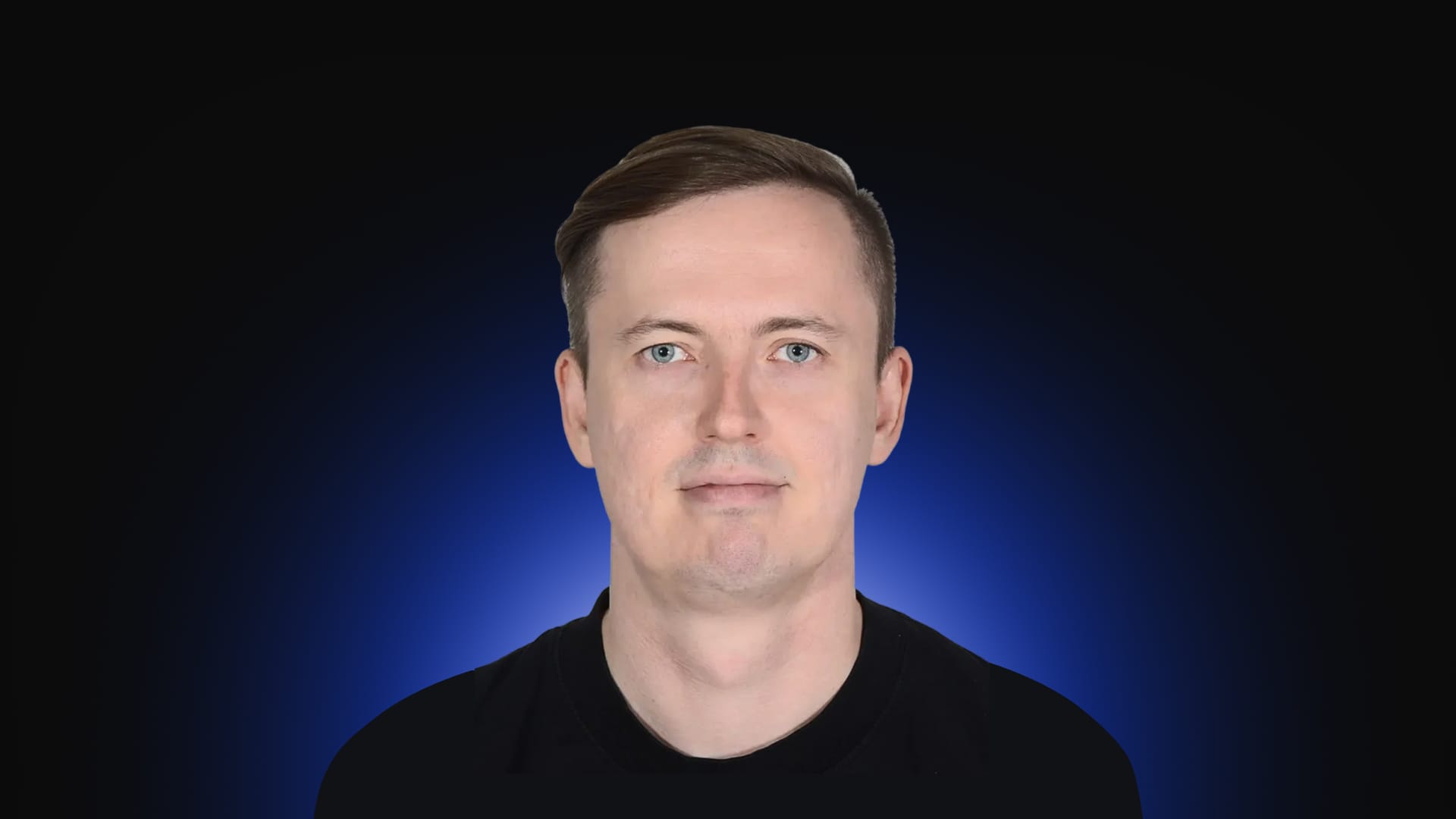
Founder Konstantin Lomashuk has assumed the role of CEO at a moment when institutional clients and platforms need more than validators. They need secure, scalable systems that can deliver yield across assets while operating within real-world regulatory constraints. P2P.org is positioning itself to deliver exactly that.
Why This Matters for Institutional Yield
The institutional staking market has matured considerably. Treasury managers understand staking's value proposition. Custodians have built integration capabilities. Asset managers are allocating to staking strategies at scale.
But the next phase requires different infrastructure. Institutions need:
- Multi-asset yield capabilities that extend beyond native staking
- Compliance-first architecture designed for evolving regulatory frameworks
- Scalable operations that can handle institutional volume without compromising security
- Seamless integration with existing custody and reporting systems
P2P.org's validator operations established the foundation. The company's perfect track record — 99.9% uptime across 40+ networks with zero slashing incidents — demonstrates the operational rigor institutions require. The leadership shift signals P2P.org's commitment to building on that foundation.
From Validators to Yield Infrastructure
Lomashuk brings a track record of building infrastructure before markets fully form. He founded P2P.org and Cyber.Fund, a long-term investment firm focused on blockchain infrastructure and protocol development. He was an early backer in Ethereum and Solana, and co-founded Lido, the world's largest liquid staking protocol.
That experience shapes his view of what comes next.
"The industry is hungry for more than validators," said Lomashuk. "It needs a real yield engine. This is a chance to go from zero to one at the infrastructure layer — not by starting over, but by building what has never existed at industry scale. We're taking the trust we've earned and using it to build the ultimate institutional yield engine the industry will run on for decades."
As CEO, Lomashuk will lead long-term strategy, security standards, and the development of new yield products across digital asset classes. The focus extends beyond staking to encompass the full spectrum of yield generation opportunities institutions are exploring.
Vision and Execution: The Co-CEO Structure
To maintain execution discipline while pursuing category-defining innovation, P2P.org has introduced a Co-CEO structure. Konstantin Zaitcev, former co-founder and CEO of dRPC.org, joins as Co-CEO alongside Lomashuk.
The division of responsibilities is explicit:
- Lomashuk leads vision, strategy, and category direction
- Zaitcev owns delivery, execution, and operational performance
Zaitcev brings experience building and scaling infrastructure businesses. He'll oversee day-to-day operations as P2P.org expands its product footprint across assets, networks, and use cases.
This structure enables P2P.org to pursue ambitious product development while maintaining the operational excellence institutional clients require. Vision without execution creates vaporware. Execution without vision creates commoditization. The Co-CEO model addresses both imperatives.
Building on a Strong Foundation
The leadership transition builds on the tenure of Alex Esin, who led P2P.org through exponential growth over the past three years. Under Esin's leadership, P2P.org achieved:
- 15x client growth across institutional and retail segments
- Massive Ethereum adoption establishing P2P.org as a dominant validator
- Critical regulatory licenses enabling compliant operations in key markets
- #1 market position in restaking infrastructure
"We've achieved exactly what we set out to do — building a dominant, high-performance machine that leads the market," said Esin. "The foundation is rock-solid, and I can't think of a better setup than having Konstantin return to drive the next wave of innovation."
Esin will continue supporting P2P.org in an advisory role, ensuring continuity as the company expands its mandate.
What Full-Stack Yield Infrastructure Means
The industry is evolving beyond standalone staking. Platforms and institutions now need systems that can:
- Aggregate yield opportunities across multiple protocols and asset types
- Manage risk through diversification and real-time monitoring
- Automate operations while maintaining institutional control and oversight
- Provide transparency with comprehensive reporting and audit trails
- Scale reliably without compromising security or performance
P2P.org's validator operations demonstrated the company's ability to deliver on security, uptime, and performance. The move toward full-stack yield infrastructure applies that same rigor to a broader set of capabilities.
This isn't incremental improvement. It's category creation — building the infrastructure layer that will support institutional yield generation as digital asset adoption accelerates.
The Path Forward
With founder leadership in place and execution ownership clearly defined, P2P.org is focused on building yield infrastructure designed not just for today's market conditions, but for the next generation of digital asset finance.
The company's track record provides the foundation. The leadership structure enables both vision and execution. The market opportunity is clear — institutions need yield infrastructure that combines the security and compliance they require with the innovation digital assets enable.
P2P.org is building to meet that need.
Subscribe to P2P-economy
Get the latest posts delivered right to your inbox
Subscribe
 ALL
Agoric
Aptos
Auth
Avail
Avalanche
Axelar
Babylon
Bitcoin
BTC
Cardano
Celestia
Chainlink
Cosmos
Crescent
Cyberway
DAOBet
DeFi
DVT
Dymension
Economy
EigenLayer
Elrond
Ethereum
Evmos
Explain Like I'm Five
Guide
HR
Kava
Kusama
Lido
LSP
Manta
Mantle
Marlin
Matic
Moonbeam
MultiversX
Near
News
NuCypher
Oasis
Origin
Partnership
Persistence
Pocket
Polkadot
Polygon
Quicksilver
Regen
Renzo
restaking
RPC Node
Serum
Solana
SSV.Network
Staking
Starknet
Sui
symbiotic
Terra
Tezos
TheGraph
Threshold
Update
Vara
Vega
ALL
Agoric
Aptos
Auth
Avail
Avalanche
Axelar
Babylon
Bitcoin
BTC
Cardano
Celestia
Chainlink
Cosmos
Crescent
Cyberway
DAOBet
DeFi
DVT
Dymension
Economy
EigenLayer
Elrond
Ethereum
Evmos
Explain Like I'm Five
Guide
HR
Kava
Kusama
Lido
LSP
Manta
Mantle
Marlin
Matic
Moonbeam
MultiversX
Near
News
NuCypher
Oasis
Origin
Partnership
Persistence
Pocket
Polkadot
Polygon
Quicksilver
Regen
Renzo
restaking
RPC Node
Serum
Solana
SSV.Network
Staking
Starknet
Sui
symbiotic
Terra
Tezos
TheGraph
Threshold
Update
Vara
Vega